
The cost of an annual television licence is set to rise again in April, the Department for Culture, Media and Sport has confirmed. The yearly charge will go up by £5.50 to £180, a price point established by the department earlier this year.
This change mirrors inflation levels and operates under the terms of the 2022 Licence Fee Settlement arrangement, which determines subsequent pricing adjustments. Another increase is pencilled in for April 2027, tied to the Consumer Prices Index.
In remarks from the department, officials recognised pressure on household finances while underlining the government’s commitment to preserving a sustainable, fair, and economical funding model for the broadcaster. Ministers indicated the licence fee would hold steady throughout the existing charter period.
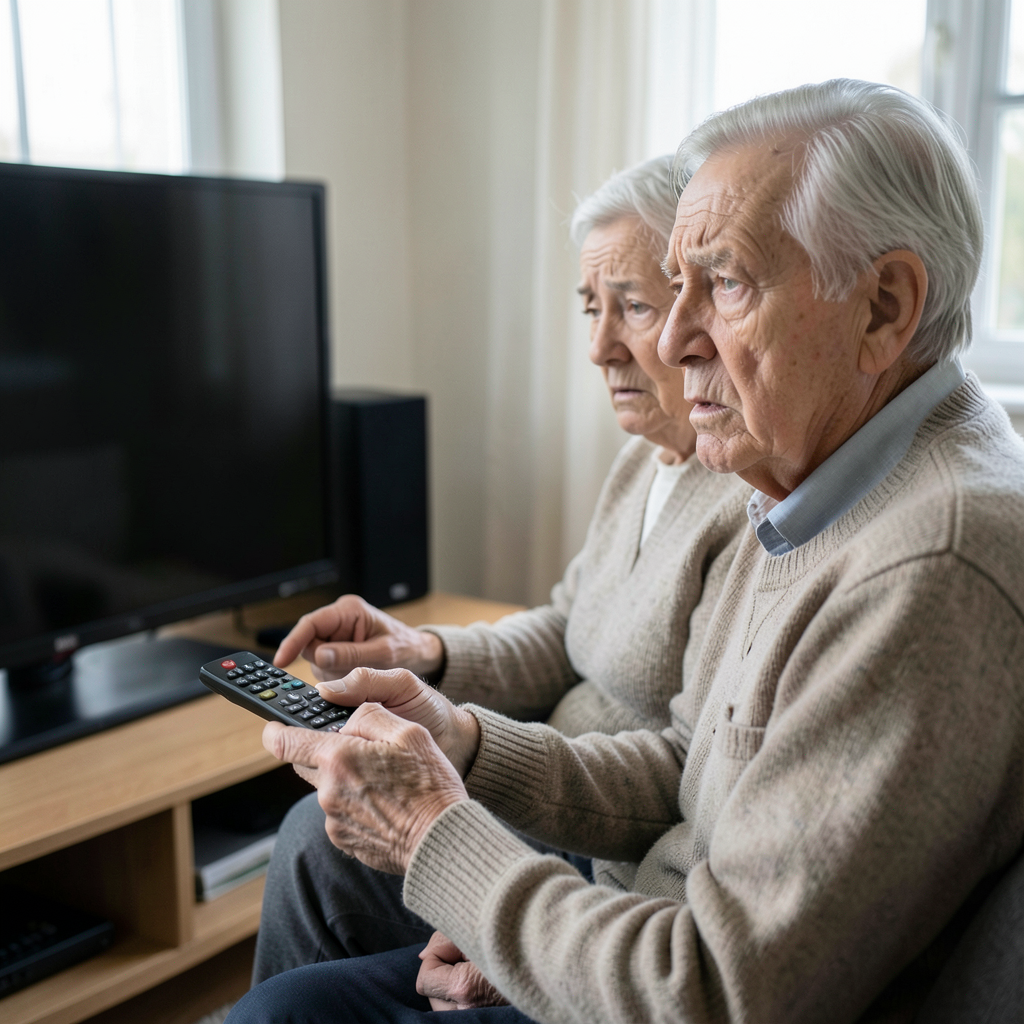
The government intends to continue offering payment by instalments to ease the financial burden. Reductions remain available for particular groups: elderly residents in receipt of pension credit can obtain coverage at no charge, while reduced charges apply to those living in care establishments and individuals with sight problems.
The television licence functions as the broadcaster’s main source of income and must be purchased by anyone who watches or records live transmissions within the United Kingdom or accesses BBC iPlayer.
Black and white television licensing will likewise rise from £58.50 to £60.50 for the 2026/27 fiscal year.
These changes occur as discussions about the broadcaster’s future funding continue, with the government’s Charter Review Green Paper still accepting public responses.
S4C, the Welsh-language broadcaster fully funded through licence fee income, will receive a proportionate uplift under the updated framework. Expected funding totals roughly £100 million for 2026/27, which the department said would help support the growth of the Welsh creative industries.
Separate reports suggested the broadcaster is exploring new methods to identify households without proper licences through its iPlayer service. This could involve linking up to 40 million digital accounts to home addresses to pinpoint those lacking valid coverage.
According to the broadcaster, the licence fee provides the financial stability required to serve audiences and sustain creative industries throughout the nation. It finances the complete spectrum of services and enables the provision of trustworthy reporting, exceptional domestic productions, and compelling content that unites viewers.
The government is currently examining the broadcaster’s next Royal Charter and funding framework extending past 2027. The organisation voiced backing for dialogue and expressed eagerness for reform to maintain an independent, long-term funded public service satisfying audience demands for coming generations.
Free television licences are available solely to individuals aged 75 and over who themselves or their cohabiting partner receive Pension Credit.
According to the licensing authority, free television licences are accessible only to those aged 75 or older who, or whose partner at the same address, are in receipt of Pension Credit.
Anyone who believes they qualify but cannot complete online registration may call 0300 790 6117 to obtain a paper form. Opening times are 8.30am to 6.30pm, Monday through Friday.
Applications generally take several weeks to process. Applicants will receive written correspondence should difficulties emerge, and telephone contact may be made if a number was supplied.
Different provisions apply to residents