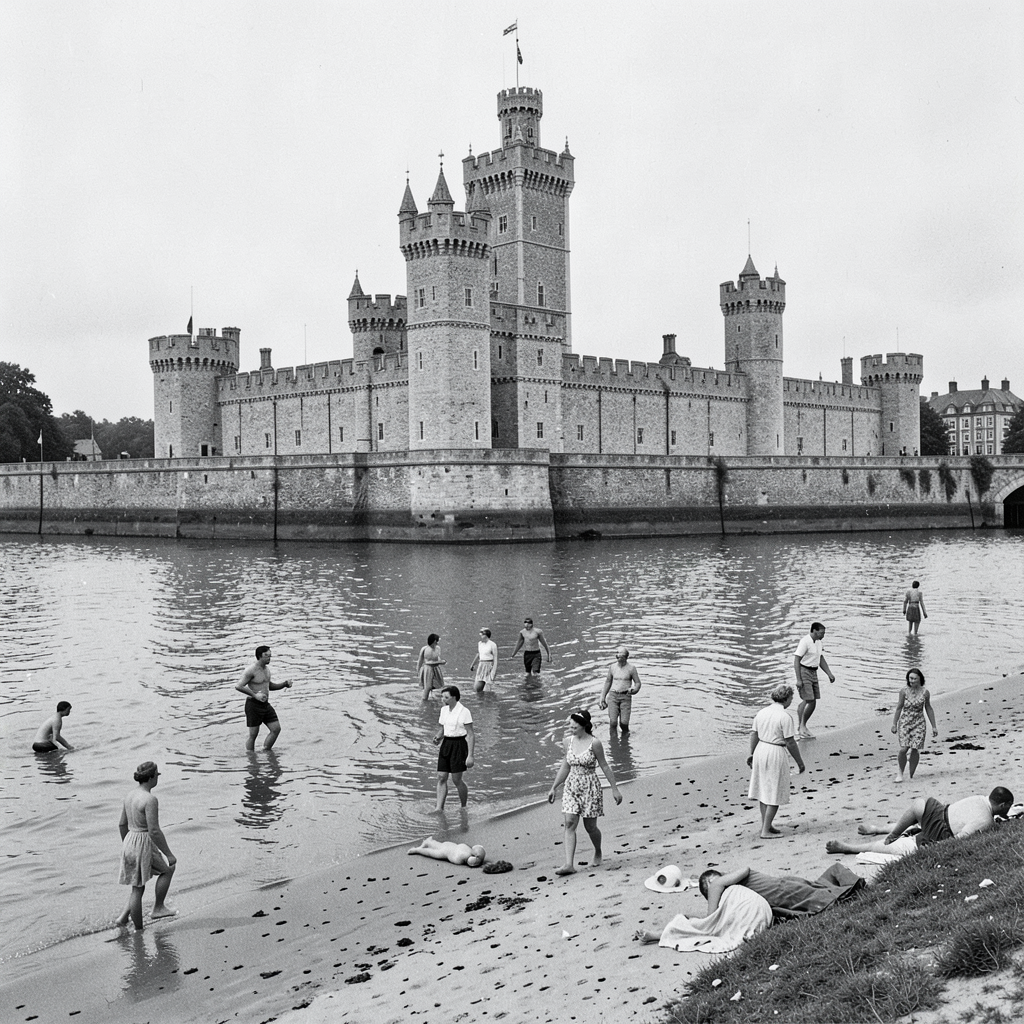

A newly released volume presents a visual record of Britain during the 1930s, featuring exclusive images that capture London in the years prior to the onset of aerial bombardment during the Second World War.
The collection encompasses views of summer visitors enjoying Tower Beach in August, alongside images of ice-covered fountains in Trafalgar Square during colder months.
These photographs provide an uncommon window into metropolitan existence during a period of significant transformation.
Compiled by historian Steven Brindle, the publication is slated for release by Atlantic on November 5 and contains in excess of six hundred monochrome illustrations.
The 1930s represented an era of pronounced duality across Britain.
While economic depression and widespread joblessness severely affected numerous industrial towns, other regions experienced growth as commercial culture began reshaping everyday routines.
The photographic material documents ten years of urban evolution, including the rapid development of outer suburban zones as London’s periphery expanded while central districts saw population decreases.
Throughout the capital, the period showcased a blend of older Victorian architecture alongside emerging Art Deco structures.
Motor vehicle presence increased substantially while inhabitants grew increasingly dependent upon the expanding underground railway system.
Entertainment venues including cinemas, West End playhouses, and jazz establishments attracted audiences seeking distraction from financial difficulties and the approaching conflict.
Among the documented scenes are youths operating a mechanised confectionery dispenser at Waterloo Station, the transformation of Trafalgar Square’s fountains into frozen surfaces during winter conditions, busy thoroughfares near the Old Bailey following the ceremonial procession of the Lord Mayor, and elegantly dressed individuals promenading along Oxford Street.
In contrast, London’s surrounding localities retained much of their historic character.
Agricultural activities persisted with livestock visible at Romford Market, while agricultural work continued in areas such as Watford where watercress gathering remained common practice.
Traditional transport methods coexisted with modern alternatives as horse-drawn traveller caravans encountered motor vehicles on roads in locations like Epsom.
Students from institutions including Harrow School frequented their school provisions outlets.
Additional imagery depicts rowing competitions along the Thames at Henley, swimmers diving from elevated platforms at Rickmansworth Aquadrome, and gatherings of the Enfield hunt assembly at Northaw Village within the Barnet district.
Beyond the metropolitan area, the compilation encompasses imagery from every English and Welsh county alongside locations in Northern Ireland, spanning settings from coastal villages in Cornwall to the northern archipelagos.
Rural customs including village competitive events and agricultural exhibitions took place within centuries-old marketplace settings, village greens, and historic ecclesiastical buildings.
The substantial 616-page work offers an intricate representation of a nation navigating between established customs and contemporary developments, illuminating ordinary existence alongside moments of pleasure and respite during challenging economic circumstances.
The photographic material captures the prime era of British coastal resorts, when visitors flocked to busy waterfront promenades, recreational piers, and sophisticated lodging establishments in destinations such as Margate and Brighton.
Compiled from the extensive archives of Associated Newspapers, the images were assembled over time by generations of editorial and photographic staff.
The accompanying text provides comprehensive analysis of this remarkable chapter in British history.