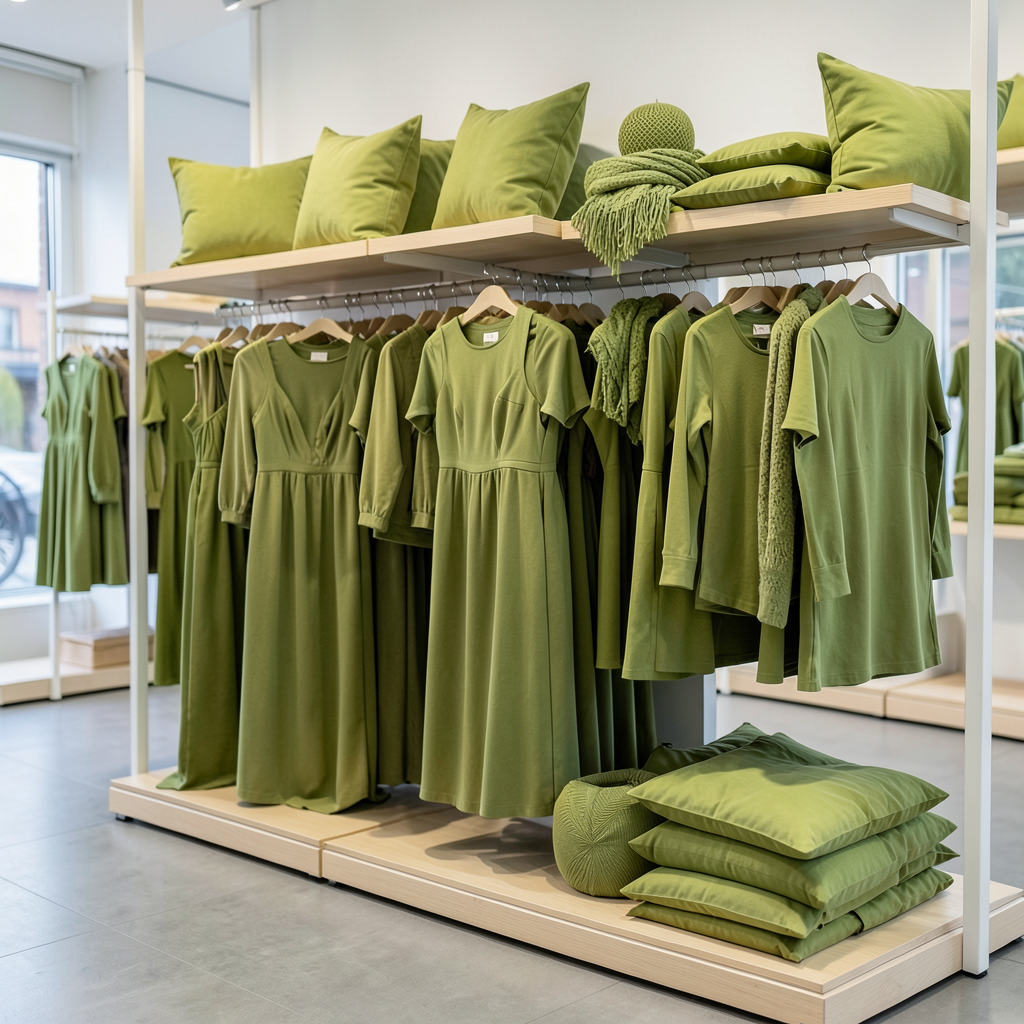

Research has identified the shade that has captured widespread public interest in 2026.
A study conducted among 2,000 participants revealed that pistachio green outperformed competing tones including sage, chocolate brown and butter yellow to claim the title of most trending colour for the year.
Sixty-two percent of those surveyed reported encountering the soft green shade with increasing regularity across various domains, from culinary offerings and beverages to clothing, home furnishings and social media content.
The popularity of this particular hue proved notably pronounced among younger demographics.
Eighty-nine percent of Generation Z respondents and seventy-seven percent of Millennials indicated heightened awareness of the colour’s prevalence in 2026.
In contrast, only forty-two percent of those aged over sixty reported similar observations.
The research was commissioned by Samsung in conjunction with the release of the Galaxy S26 FE, a device offered in pistachio, blueberry and graphite finishes.
The influence of colour trends extended beyond mere visibility, with sixty-six percent of Generation Z and fifty-five percent of Millennials acknowledging that repeated exposure to particular shades in fashion had altered their appreciation of those tones.
Among the over-sixties demographic, the figure stood at just fifteen percent.
Forty-six percent of participants believed that specific colours possess the capacity to evoke memories of particular life stages.
Twenty-eight percent reported that certain shades prompted recollections of childhood, while twenty-three percent associated particular hues with adolescent experiences.
Fifty percent indicated that colours could transport them to memories anchored in specific decades.
Colour associations emerged across multiple cultural spheres.
Twenty-eight percent linked certain shades to fashion trends, twenty-three percent to food and drink, seventeen percent to film and television, and ten percent to technology.
Sixty-three percent of respondents expressed the view that certain colours had become so intrinsically linked to their era that they risk immediately dating any object on which they appear.
Avocado green ranked as the colour most likely to render an item characteristic of another period, followed by mustard yellow, chocolate brown and burnt orange.
The significance of colour choice proved particularly evident within the technology sector.
Sixty-one percent of those surveyed believed that an unconventional device colour helped products attract attention.
Fifty-two percent felt that appropriate colouring enhanced the fashionable appearance of technology, while fifty-one percent indicated that colour selection contributed to a sense of personal connection with electronic devices.
Younger consumers demonstrated stronger tendencies to view device colour as an expression of personal identity.
Sixty-one percent of Generation Z and fifty-seven percent of Millennials considered device colour part of their personal style, compared with just twenty percent of those aged over sixty.
Annika Bizon from Samsung noted that colour possesses a remarkable capacity to encapsulate moments in time, with individuals retaining memories of clothing shades, interior colour schemes and the devices they have owned, which collectively shape their recollection of particular periods.
The investigation further revealed that colour serves as a surprisingly effective marker for dating memories, with more than a quarter of respondents linking specific shades to childhood experiences.
Samsung’s Galaxy S26 FE smartphone incorporates advanced camera functionality alongside artificial intelligence features.
According to Annika Bizon from Samsung UK and Ireland, pistachio resonates particularly strongly for 2026, with this fresh and expressive tone transcending individual trend categories to establish presence across diverse cultural spheres including food, fashion, interior design and broader aesthetic contexts.
Technology increasingly functions as an extension of personal style, with smartphones accompanying consumers throughout daily life.