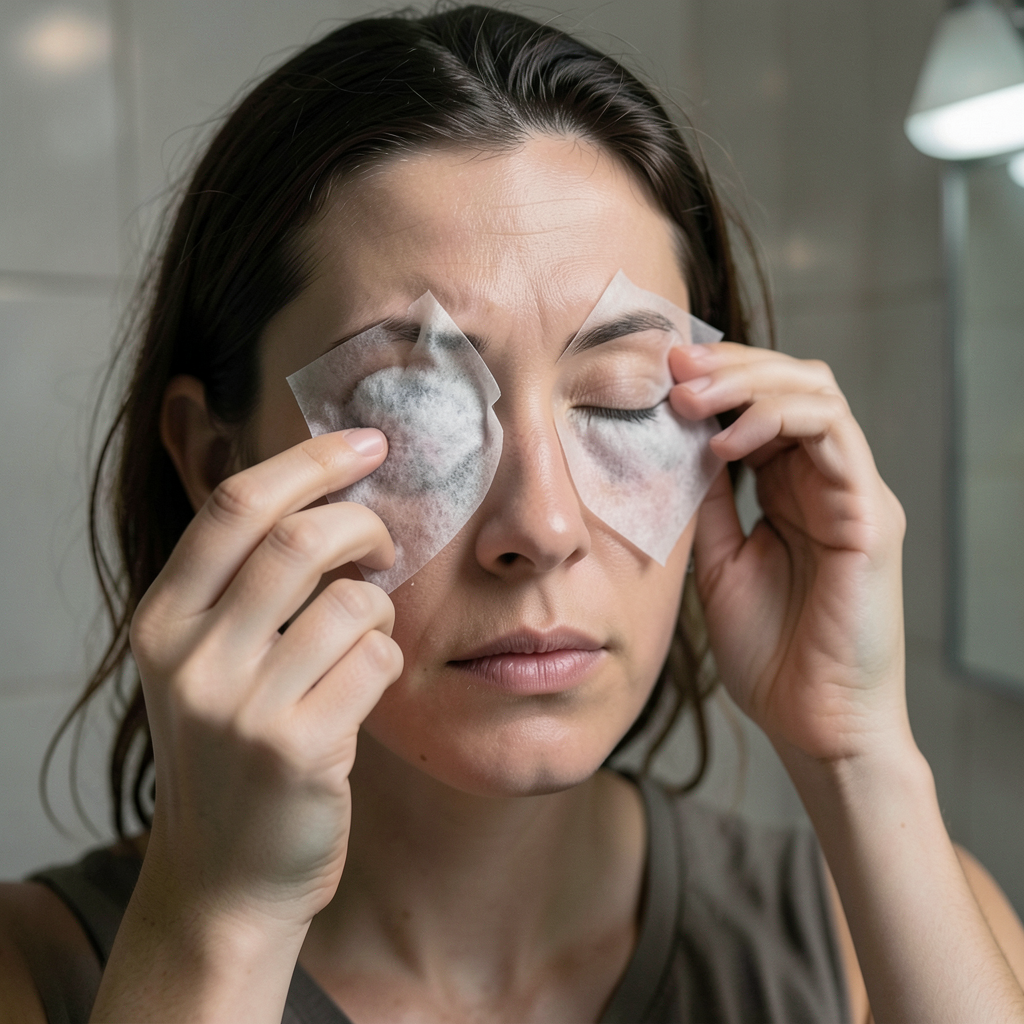

UK skincare devotees have embraced unconventional household solutions, including positioning tea bags over puffy eyes, dabbing egg yolk onto dry areas, and scrubbing with bicarbonate of soda.
Research conducted among two thousand participants revealed numerous DIY beauty techniques, such as crushing avocado for face exfoliation, strawberry mixtures for hand care, and green tea as a complexion wash.
Other widely-used approaches include pressing lemon juice to brighten complexion, bathing in oat-based solutions, and coating the face with yogurt as a mask, all intended to enhance skin condition.
The study found that nearly a third of those surveyed had experimented with home-made beauty routines, while almost one in five reported negative skin responses from these attempts.
Around 15 percent acknowledged employing at least one of these techniques weekly, whereas 7 percent expressed readiness to try any new trend that could potentially improve their looks.
The research was commissioned by cleaning product manufacturer Surcare, which appointed Katie Piper OBE as brand and wellness adviser to emphasise how textiles touching skin require consideration.
She explained that given how often skin encounters garments, bed linen, and towels, it becomes clear that skincare extends beyond the bathroom and begins with everyday items that make contact.
She noted that when washing clothing, detergent traces can remain trapped within fabric fibres, and these materials stay in close contact with skin for most of the day.
She added that fabric essentially acts as a second skin, making its care highly important.
She suggested that mindful choices, such as choosing dermatologically tested laundry products, can support skin health without creating complications.
The survey found 30 percent turn to homemade methods because of natural ingredient content, 19 percent to avoid harsh chemicals, and 21 percent because they cost less than shop-bought alternatives.
This comes alongside findings that average respondents spend £146 yearly on skincare products.
This figure reaches £205 for Millennials, the highest across all age groups, while Boomers spend considerably less at £80.
Primarily, these methods serve preventive purposes for 49 percent, though 33 percent embrace them for personal care and wellness benefits, and 4 percent follow influencer and celebrity trends.
Overall, 56 percent of those surveyed have experienced skin conditions such as eczema, dermatitis, acne, or sensitivity.
The most common approaches include topical products like creams and serums at 48 percent, increasing water consumption at 45 percent, and obtaining prescription treatments from medical professionals at 36 percent.
While 26 percent take supplements and 24 percent modify their eating habits, 30 percent have switched laundry detergent to address skin concerns.
Yet 52 percent do not consider laundry detergent part of their skincare strategy to prevent irritation, and only 75 percent feel confident their detergent supports skin health.
Despite this, research participants average nearly 16 hours daily in contact with various fabrics, according to OnePoll.com data.
Katie Piper, working with Surcare, observed that from dabbing toothpaste on blemishes to using honey as a facial treatment, people frequently test various beauty trends seeking improved skin, though genuine care typically lies in simple, everyday decisions supporting long-term wellness.
She emphasised that for her, this means thinking beyond conventional skincare, and she has always advocated for straightforward preventive approaches, recognising that sometimes the solution involves eliminating sources of irritation rather than adding more products.
She stated that choosing laundry formulas gentle on skin, free from fragrances, dyes, and enzymes, holds equal importance to direct skincare applications.