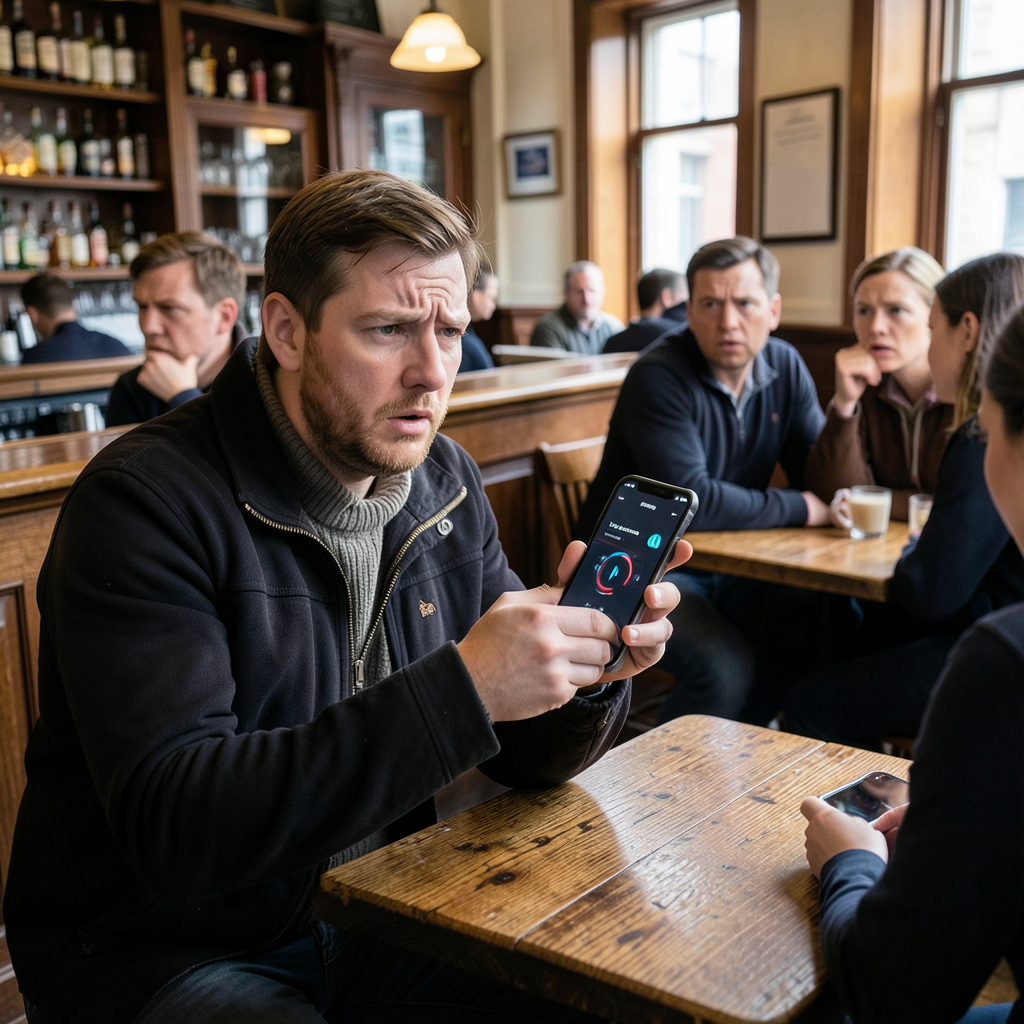

The pub chain has prohibited patrons from broadcasting audio from their devices or conducting telephone conversations without a handset across all of its outlets.
The company revealed it had implemented the restriction in its 792 establishments, noting that noise from mobile phones and tablets had become a growing concern in recent years.
In a statement, the firm explained that customers had lodged complaints about being annoyed by other people’s video content and loud phone discussions, and had therefore requested that phone users either silence their devices or use earphones.
Tim Martin, the company’s chairman and founder, stated that amid a world filled with other people’s soundtracks and amplified audio, Wetherspoons pubs offer a peaceful environment for reflection.
He noted that to prevent customers from being overwhelmed by excessive noise, they were politely urging those on their phones to reduce the volume.
The decision comes alongside broader campaigns for measures against individuals who play audio without headphones in public spaces, with the Liberal Democrats having previously suggested penalties reaching £1,000 for those who broadcast music on public transport.
A YouGov survey conducted last year with 6,815 UK adults found that 62% would support such a Liberal Democrat policy, while 28% disagreed.
Online commentators on the r/AskUK Reddit forum expressed approval of Wetherspoons’ decision to enforce the ban.
One user posted that someone had finally taken action regarding loudspeaker usage on phones, asking whether others agreed with the prohibition.
A response read that they had never anticipated Wetherspoons being the venue to lead the way on an issue most people dislike, adding that credit was due.
Another comment stated strong support, questioning how anyone could view speaking to someone on speakerphone as anything other than impolite.
Some doubted the practical impact, with one remarking they had never witnessed this occurring in a Wetherspoons branch, so the change would be minimal. Another mentioned they had never encountered anyone using their phone on speaker in these establishments despite being a regular customer.
Separately, Wetherspoons has also prohibited Meta Glasses within its venues. These devices, capable of capturing video, images and sound, have prompted privacy worries due to their capacity to record discreetly.
The ban follows increasing reports of individuals covertly filming strangers and distributing the footage online.
A JD Wetherspoon representative explained that like numerous hospitality businesses, the chain maintains CCTV for security purposes, with usage governed by data regulations. They noted that the standard rule in their pubs and most others is that customers or staff cannot be filmed without consent. Meta Glasses appear to violate this rule and basic common sense by allowing hidden recording, so the preference is for wearers to deactivate the cameras.