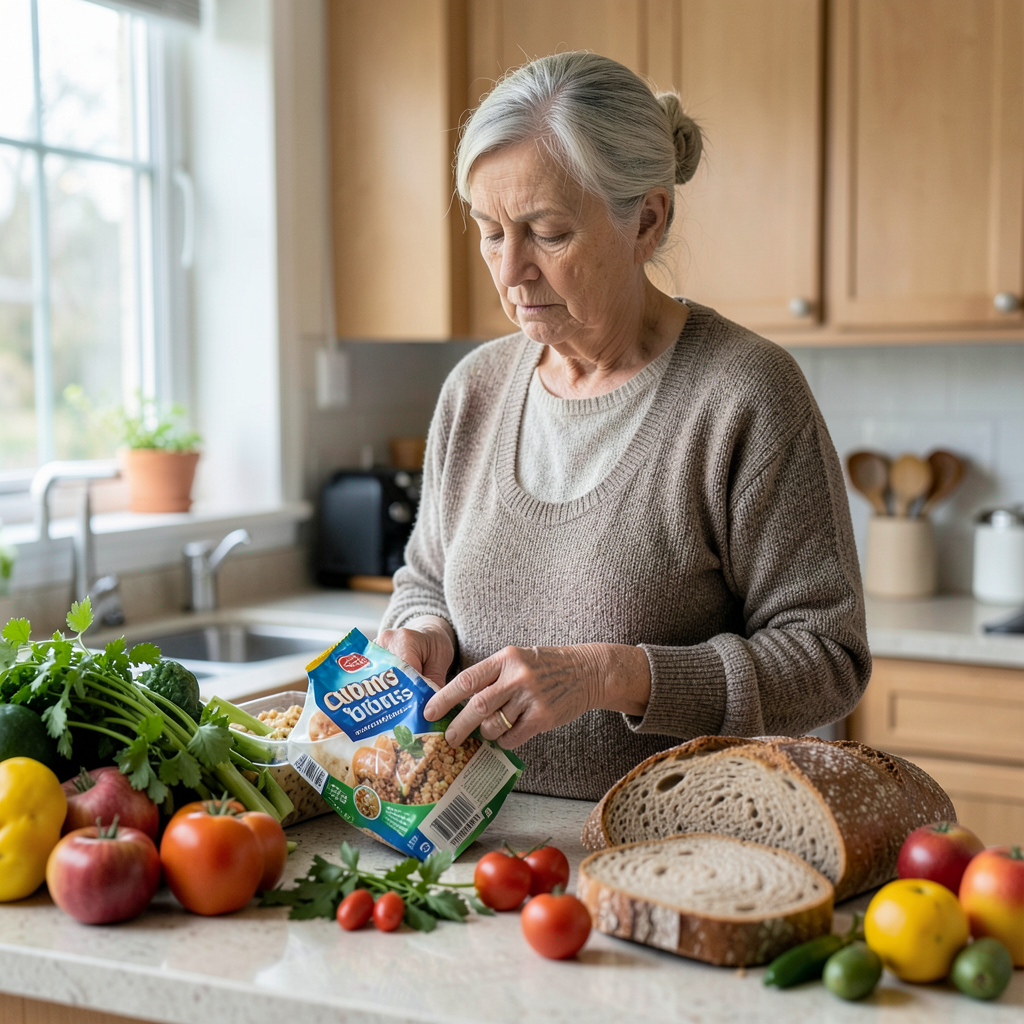

Research has revealed significant gaps in fibre awareness among older adults, with just one in three individuals aged over 50 confident about their daily fibre requirements.
A survey encompassing 2,000 participants discovered that only 35 per cent of those aged 50 and above were aware of the recommended daily intake of 30 grams.
Additionally, 48 per cent of this age group confessed uncertainty regarding which food sources contain high fibre content, while 30 per cent believed their diet lacked sufficient fibre.
Younger generations demonstrated considerably greater confidence in nutritional literacy.
Approximately 75 per cent of Generation Z respondents expressed certainty in identifying fibre-rich foods, with those between 18 and 29 years old attributing their knowledge to social media platforms at 29 per cent and social media personalities at 15 per cent.
Generation Z also emerged as the demographic most committed to monitoring personal health indicators.
Around 84 per cent reported tracking various health metrics, including caloric consumption at 43 per cent, sleep patterns at 40 per cent, physical activity levels at 34 per cent, and protein intake at 36 per cent, alongside fibre consumption at 26 per cent.
The research was commissioned by Kellogg’s in connection with an initiative promoting fibre awareness at breakfast.
Nutrition expert May Simpkin observed that fibre frequently suffers from a perception problem, often seeming technical or uninspiring despite its nutritional significance, particularly for individuals in midlife.
She noted that those over 50 represent the age group least certain about fibre requirements and daily consumption targets.
However, she emphasised that improving fibre intake need not require dramatic dietary changes, with breakfast presenting one of the most straightforward opportunities to incorporate fibre-rich options such as cereals, fruits, seeds, or nuts.
The survey further indicated that fibre remains low on the priority list for many consumers.
Twenty-seven per cent of all respondents stated that fibre content plays no significant role in their food purchasing decisions, while 41 per cent admitted difficulty naming high-fibre options.
Forty-two per cent expressed confusion about recommended fibre guidelines, with only 36 per cent correctly identifying 30 grams as the daily target.
Consequently, 30 per cent believed their current fibre consumption fell short of requirements.
Protein emerged as the most discussed nutritional topic across online platforms and personal networks, mentioned by 29 per cent of respondents, followed by calories and digestive health, each cited by 24 per cent.
Fibre-related discussions appeared far less frequently, with only 12 per cent reporting regular exposure to such conversations.
Tracking habits reflected these priorities, with 29 per cent monitoring daily step counts and 25 per cent watching caloric intake, compared to just 15 per cent who tracked fibre consumption.
When asked about opportunities to enhance dietary fibre, 33 per cent identified breakfast as the most accessible starting point.
Cereals and milk ranked as the most popular breakfast selection, chosen by 31 per cent of participants, ahead of eggs and toast, each selected by 18 per cent.
Thirty-nine per cent reported actively pursuing healthier dietary choices, while an additional 30 per cent expressed desire to improve their eating habits but cited implementation challenges.
Simpkin further commented that fibre struggles to compete with more trending nutritional discussions surrounding protein, calories, or supplements, despite its fundamental importance to overall wellbeing.
Many individuals wish to adopt healthier patterns but remain uncertain where to begin, with fibre often neglected despite representing one of the simplest dietary elements to address.
She suggested that modest modifications integrated into established routines can yield meaningful results, particularly through breakfast selections.
Certain cereals, including All-Bran, deliver 7.8 grams of fibre per serving, representing close to one-third of the recommended daily amount.