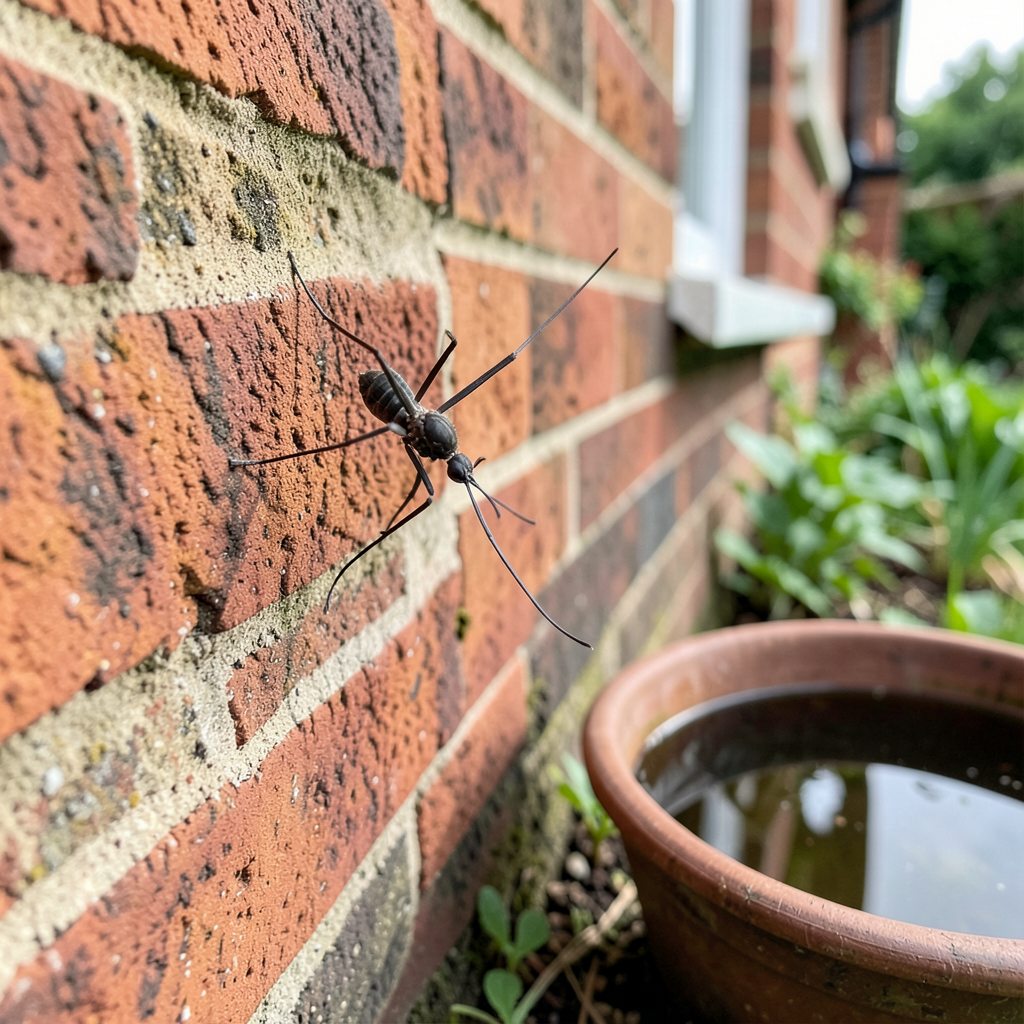

A disease-carrying mosquito species has been discovered breeding at homes in England for the initial time, according to health officials.
The Aedes aegypti mosquito, which spreads viruses including dengue fever, Zika, and chikungunya, was identified at domestic properties in east London by the UK Health Security Agency.
This represents only the fourth occasion the species has been recorded across the United Kingdom, yet it constitutes the inaugural confirmation of active breeding activity.
Health experts have downplayed immediate concerns regarding public health implications.
The head of medical entomology and zoonoses ecology at the agency explained that while the insects can transmit serious infections in regions where such diseases circulate naturally, the current danger to British residents remains minimal.
No documented cases exist of humans contracting illness from these particular mosquitoes, and critically, neither the insects nor their larvae have been discovered in surrounding public spaces.
The specimens were detected through the agency’s dedicated Mosquito Watch programme.
Eradication efforts have subsequently been launched to eliminate the larval population.
The species typically inhabits tropical and subtropical zones worldwide and is not expected to endure prolonged periods within Britain’s temperate environment, notwithstanding recent periods of elevated summer temperatures.
The entomology specialist noted that despite evidence of local reproduction and extended warm weather, the population has not become established and cannot sustain itself given the generally cooler national climate.
The insects probably entered the country through accidental transport.
Invasive mosquito varieties can travel unintentionally via vehicles, luggage, and imported vegetation, managing to persist when encountering favourable conditions.
Enhanced monitoring and trap placement have been implemented throughout the affected vicinity, with officials cautioning that shifting weather patterns may result in more regular appearances of non-native mosquito varieties moving forward.
Residents are recommended to minimise potential breeding sites by eliminating pooled water from outdoor areas, including receptacles such as buckets, pots, and other items capable of collecting moisture.