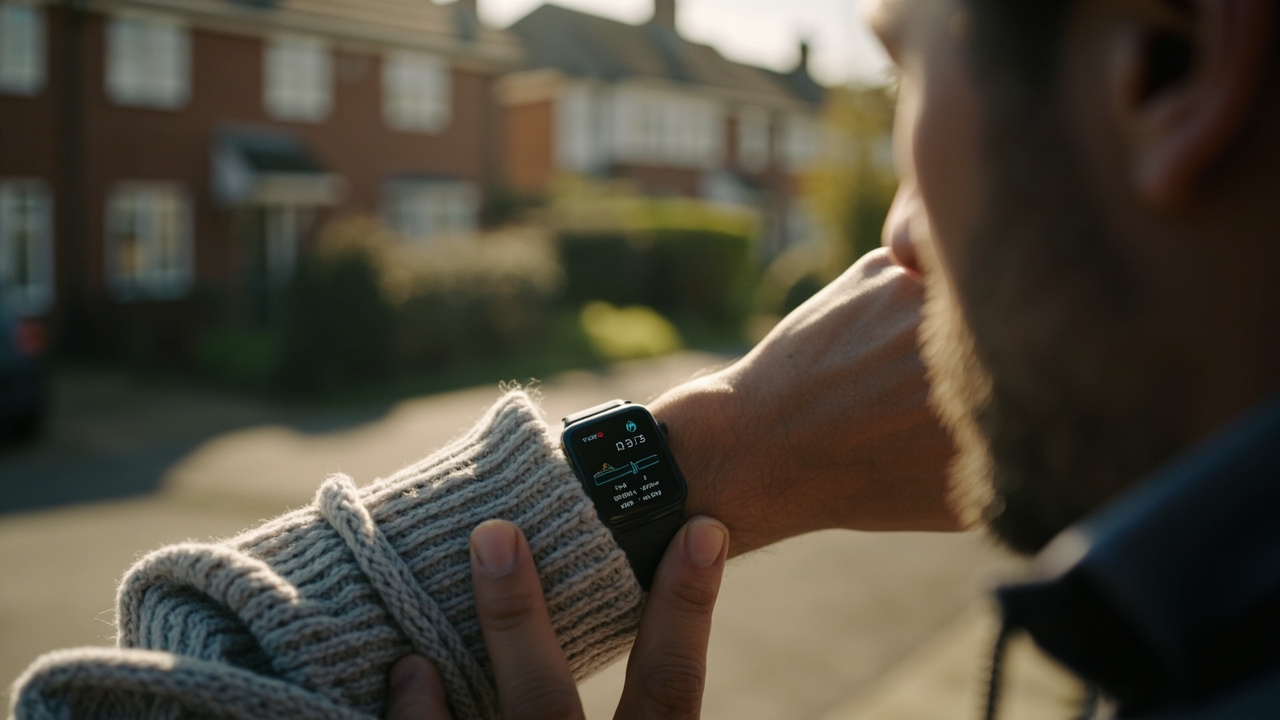

Around 80 per cent of people in Britain are now keeping tabs on their personal wellbeing – encompassing dietary choices, sleep quality and cardiac function.
Research conducted among 2,000 adults revealed that daily step totals rank among the most frequently observed measurements, with 58 per cent checking this statistic each day, while 27 per cent similarly monitor their pulse throughout that period.
slumber has become a primary catalyst behind Britain’s emphasis on preventive healthcare, as 42 per cent record the number of hours they obtain nightly, and 34 per cent observe the standard of their rest.
The results indicate an increasing movement toward individual health management, as members of the public pursue greater comprehension of how routine practices might be affecting their physiology prior to the onset of significant medical concerns.
The survey was commissioned by Samsung, which unveiled a substantial enhancement to Samsung Health intended to turn the forthcoming Galaxy Watch range into a forward-thinking, perceptive health companion.
Annika Bizon from Samsung’s United Kingdom and Ireland operations stated that people are experiencing a core transformation in their approach to personal health.
She explained that instead of holding off for symptoms or difficulties to materialise, a growing number of consumers are searching for methods to enhance their understanding of their daily wellness and implement minor, beneficial adjustments capable of producing enduring effects.
She noted that health is no longer merely about taking reactive measures – it is increasingly focused on prevention, consciousness and establishing wholesome routines over extended periods.
As individuals grow more invested in comprehending the link between their regular practices and sustained wellness, obtaining relevant, tailored information is becoming progressively essential.
She mentioned that features such as the Heart Health Score aim to assist users in gaining deeper insight into how elements including rest, movement and body composition combine to affect long-term cardiac health.
By consolidating this information into a straightforward daily metric, the company is enabling people to make wiser selections regarding their lifestyle and feel motivated to adopt a more forward-looking stance toward their wellbeing.
Rather than postponing until something appears incorrect, numerous individuals are now applying everyday health intelligence to recognise trends in their conduct and implement beneficial modifications to their way of living.
Indeed, 64 per cent have meaningfully altered parts of their lifestyle after examining health metrics and information.
This includes 53 per cent who opted to enhance their nutrition, 50 per cent who pledged to increase their walking activity, and 29 per cent who undertook steps to better their sleeping routines.
This drive for self-improvement may explain why 55 per cent reported feeling more engaged in monitoring their health currently compared to half a decade prior.
Possibly because 71 per cent believe that comprehending their internal bodily processes assists them in feeling more command over their long-term wellbeing.
This could be why 61 per cent would welcome a unified metric that merges various health elements to help them more clearly understand their cardiac condition.