
Research reveals a significant portion of British adults intentionally remain awake after their household members retire for bed, seeking personal solitude.
A survey involving 2,000 individuals indicates this behavior peaks at 87 percent among Generation Z, while Baby Boomers demonstrate considerably lower rates at 42 percent.
Approximately 78 percent of respondents reported using late-night periods for focused, uninterrupted work, and 27 percent acknowledged heightened nighttime productivity compared to daytime hours.
Adults between 18 and 24 years old demonstrate particularly high likelihood of utilizing post-9pm hours for task completion, with 54 percent dedicating this time to creative endeavors, administrative responsibilities, or personal projects. This contrasts sharply with 34 percent of Millennials and merely seven percent of Baby Boomers.
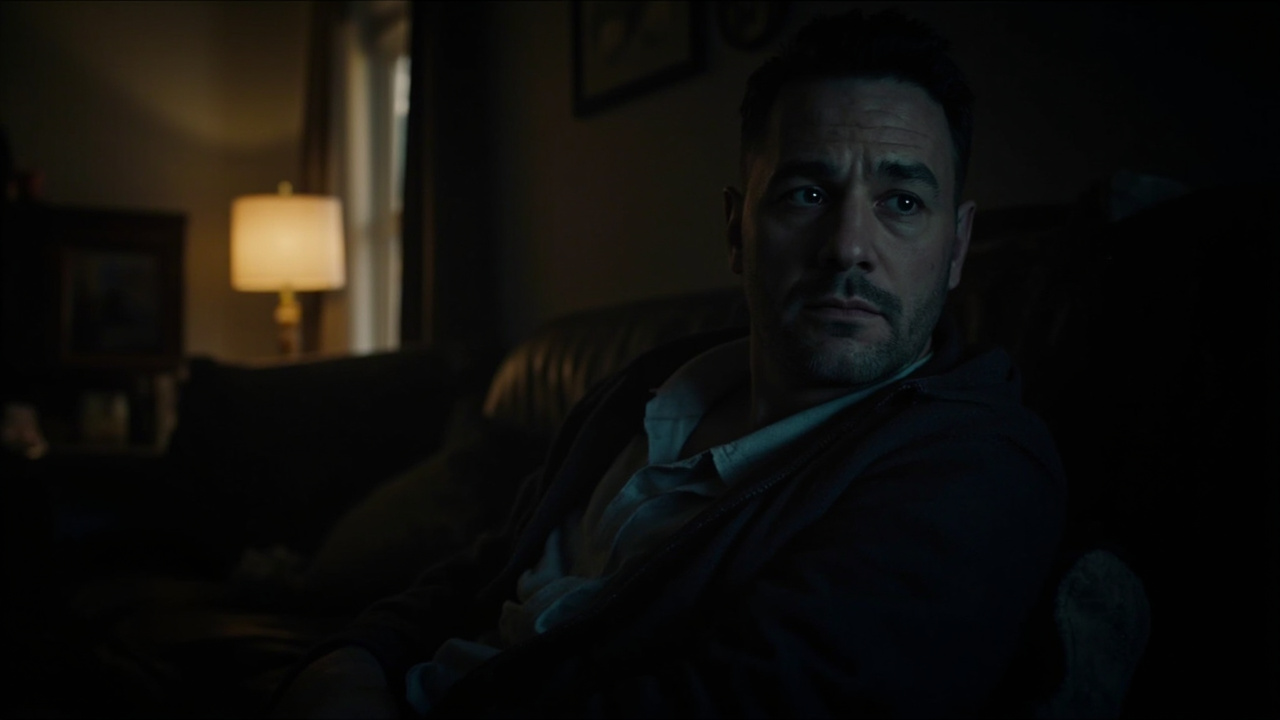
The study was commissioned by Samsung in conjunction with the release of its Galaxy S26 Ultra smartphone, which was employed to capture promotional material featuring Ashley Walters. The content showcases the device’s Nightography video capabilities in low-light conditions, drawing inspiration from intimate moments occurring after dark.
The production includes various scenarios depicting characters’ nocturnal experiences—a nurse departing to work while leaving her child, emerging romantic relationships, established partnerships, and a father soothing his newborn.
The performer, who delivers an original verse examining nighttime liberty and self-expression, stated he returned from Budapest specifically for this project and found the experience remarkably transformative.
He explained feeling most inspired during nighttime hours, attributing this to the peaceful environment that facilitates concentration and ideation. He further noted his amazement at the camera’s ability to reveal intricate details within darkness, emphasizing how it captures scenes precisely as perceived by the human eye.
Despite the prevalence of nighttime activity, the typical British bedtime is 10:27pm. While younger generations are more inclined to stay up late, Generation Z averages bedtime at 10:41pm yet remains awake past midnight three nights weekly, compared to the national average of two nights and Baby Boomers’ single night.
The study also found 44 percent experience maximum relaxation after 6pm, climbing to 49 percent for Generation Z and 48 percent for Millennials.
Generation Z and Millennials show the highest rates of nighttime work participation at 54 percent and 59 percent respectively, in contrast to Generation X at 40 percent and Baby Boomers at 39 percent.
Leisure activities keeping people awake include streaming television programs (61 percent), reading before bed (38 percent), and browsing social media platforms (31 percent). Additionally, 15 percent use late hours for face-to-face conversation or telephone communication with loved ones.
A Samsung representative, Annika Bizon, commented that nighttime holds significance in contemporary life whether for professional tasks, personal downtime, or social interaction, emphasizing the company’s commitment to capturing these moments with exceptional clarity.