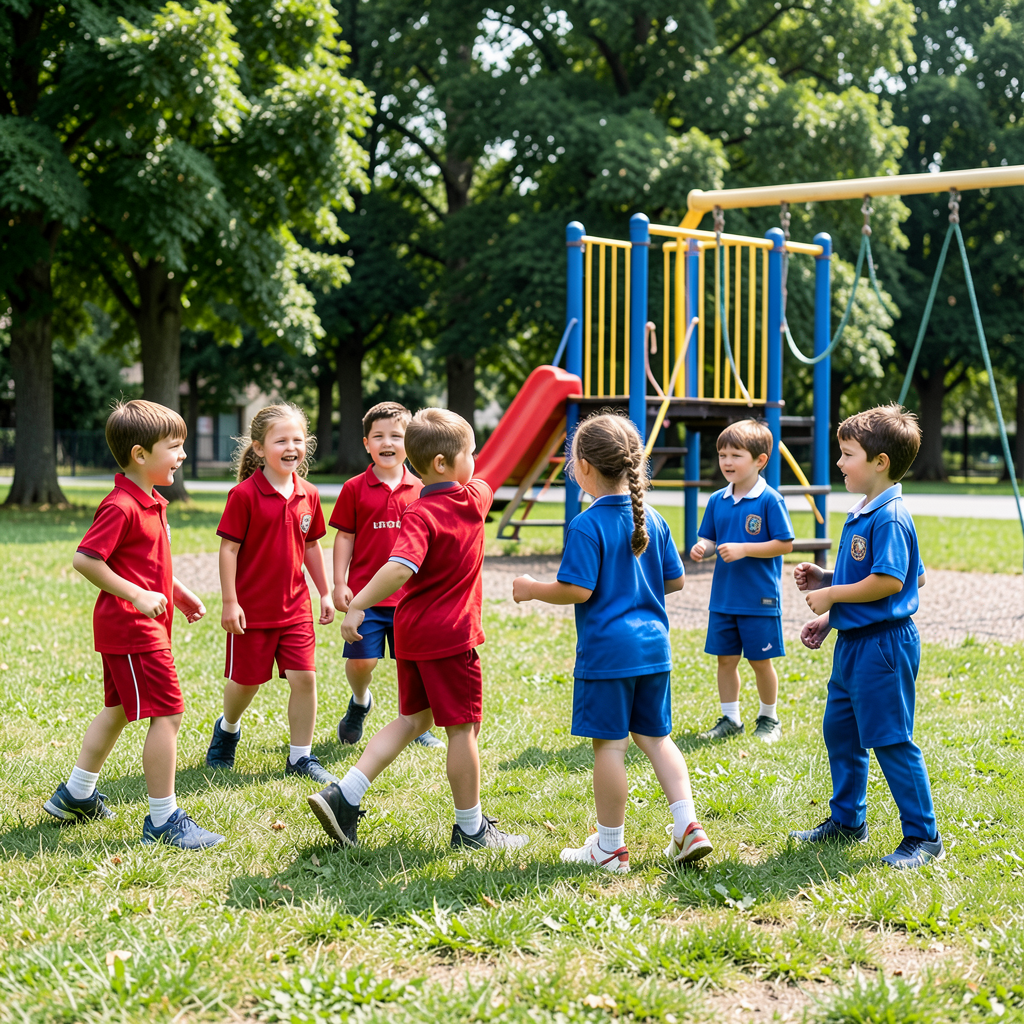

After warnings, surveillance operations and dispersal orders over several days, the widely discussed school rivalry phenomenon dubbed Red versus Blue appears to have ended without the serious clashes many expected.
Videos and posts on TikTok and Snapchat depicted after-school meetups as colour-coded battles between rival schools across London.
Materials circulated showing numerous educational institutions classified under opposing red and blue groups, with certain messages encouraging pupils to document incidents or bring ordinary school equipment that might function as makeshift weapons.
In the Tower Hamlets district, a variation emerged using green and black colours, though the underlying idea stayed the same.
As the content spread, schools issued urgent notifications to parents urging children to steer clear of gatherings and refrain from sharing posts.
Police heightened their presence outside educational facilities and transport hubs, while Section 35 dispersal powers were activated in particular neighbourhoods as a precautionary step.
The Metropolitan Police confirmed it was monitoring online platforms and partnering with schools to deter and prevent potential disorder.
Roughly twelve social media accounts were taken down once threats or incitements to violence were detected.
Despite the widespread sharing online, officials have not confirmed any substantial coordinated incidents linked to the trend, with intended gatherings largely failing to take place.
The episode has ignited wider debates about social media involvement in amplifying situations.
Did online posts amplify concerns and encourage copycat behaviour?
Or did rapid spreading allow schools, families and authorities to intervene quickly and prevent harm?
We therefore put to readers: Did social media worsen the Red versus Blue situation?